
8 Tips to Protect Your Hair from Chlorine
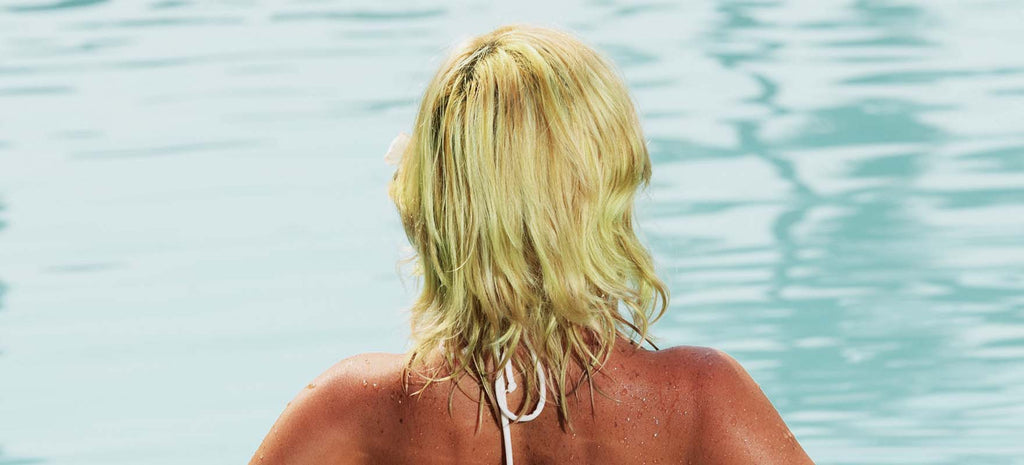 Effects of chlorine on your hair
Swimming pool chlorine is essential to kill bacteria, but it can do serious damage to your healthy hair if you're a frequent pool swimmer. Chlorine strips the natural oils (sebum) your body produces to protect your hair. In addition to irritating your skin and scalp, chlorine causes your hair to:
- Crack and split
- Strip your hair's natural moisture
- Change the natural hair color (or dyed hair color)
- Weaken, leading to split ends
Casual swimmers don't often see the effects of chlorinated water—for example, a dip in the pool once a year on holiday won't make a massive difference to your hair's health. But it doesn't matter if you swim once a month or once a day; people with specific hair types are more susceptible to chlorine damage than others. This includes people with:
- Thin or fine hair
- Color-treated hair
- Bleached hair
- Chemical-treated hair
- Dry hair
- Thin of fine hair
- Hair with existing damage
1. Rinse and wet hair before and after swimming.
Lap swim etiquette is the spoken and unspoken "rules" of the pool that help keep everyone safe and healthy. For example, there's an important reason the pool staff tells you to shower before going into the pool. This is a crucial step to remove any dirt and oils from your body, so they don't end up on the bottom of the pool, but it's also helpful to prevent chlorine damage to your hair.
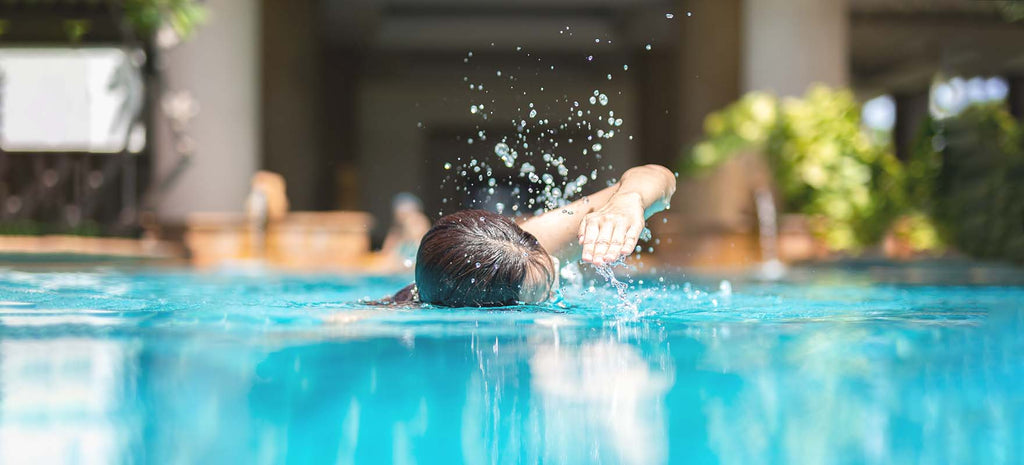
When you pre-soak your hair with clean tap water or non-chlorinated water before entering the pool, your hair strands absorb that water, minimizing the amount of chlorine that is absorbed.
Likewise, it's always a good idea to rinse your hair thoroughly with clean water after swimming. You can apply some clarifying shampoo to give it a deeper clean.
2. Apply coconut oil, olive oil, and other natural oils to your hair.
If you're a frequent swimmer or have hair that's more prone to chlorine damage, consider applying a leave-in chlorine protectant on your hair. Natural oils, including coconut oil, olive oil, and jojoba act as a protective layer to prevent chlorine and other pool chemicals from being absorbing into your hair strands. For added protection, use a deep conditioning mask or leave-in conditioner, too.
3. Use Swim Spray.
If you have blond hair and are especially worried about the effects of chlorine on your light-colored hair, you can purchase a swim spray product to apply to your hair to help block chlorine from penetrating your strands. This product works for all hair types.
4. Use gentle shampoos.
We recommend using a gentle, sulfate-free shampoo and following with a conditioner after swimming, regardless of your hair type. This helps wash away any remnants of chlorine from your hair.
5. Wear a swim cap.

If you're a competitive swimmer, you likely already wear a swim cap on your head for swim practice. Swim caps are great to prevent chlorine from reaching your hair in the first place. For the best protection, wear it correctly so that all your hair is inside. Don't forget to wear your swim cap over wet hair to help it fit easier over your head. Keeping a couple of spare swim caps in your swim bag in case one tears isn't a bad idea either.
6. Put long hair in a ponytail.
If you have long hair and don't have a swim cap, tie your hair back in a ponytail, braid, or tight bun. This will minimize contact with chlorine.
7. Swim in outdoor pools.
When possible, swimming in outdoor pools is best. In outdoor pools, chlorine gas from the water evaporates into the air faster, reducing the concentration in the water and, ultimately, the amount of chlorine that could end up absorbed in your hair and skin.
8. Adopt these post-swim hair care routines.
Perhaps the most critical time to prevent chlorine-damaged hair is when you exit the water. Your post-swim shower and hair routine will help remove chlorine before it penetrates too deeply into your strands.
You probably have a pretty detailed post-swim regime if you swim regularly, including cleaning and care for your swim goggles. In addition to your existing post-swim routine, here are our recommended hair care tips for immediately after swimming:
Rinse your hair thoroughly with clean water, wash with a clarifying shampoo, and apply a leave-in conditioner.
Let your hair completely air dry while you get changed. Resist the temptation to use blow dryers, as they will dry your hair out more. If your hair needs additional drying after air drying, use a microfibre towel to dry any dripping or excess water from your hair gently.
Brush gently and remove tangles with a detangling brush designed for wet hair.